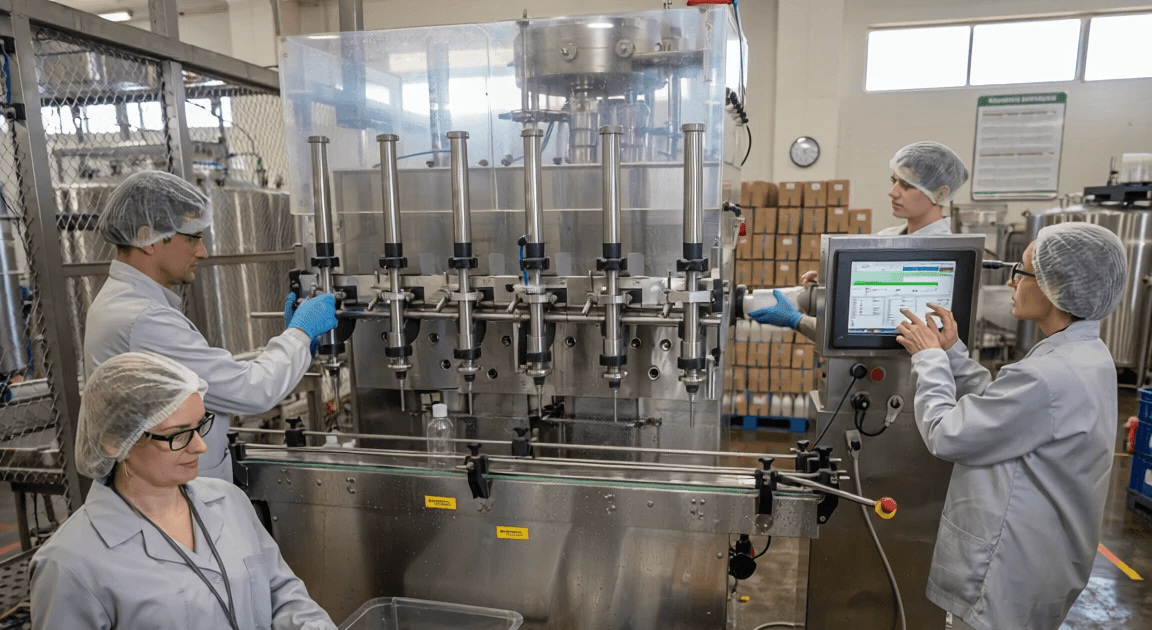


Manufacturing leaders are discovering a painful truth about Industry 4.0 implementations. The technology works perfectly. The people don't.
McKinsey research shows that 70% of Industry 4.0 initiatives fail to scale, not because of technical failures, but because companies underestimate the workforce transformation required. Your smart factory generates 10x more data than your previous setup. But if operators can't interpret machine learning recommendations or respond effectively to predictive maintenance alerts, you've built an expensive monument to missed opportunities.
Industry 4.0 workforce strategy means aligning human capital management with digital transformation initiatives to ensure workers can leverage smart factory technologies effectively while maintaining operational flexibility.
The Human Bottleneck in Smart Manufacturing
Smart factories create new workforce challenges that traditional labor management can't solve. Your predictive maintenance system identifies bearing failure risk 48 hours early. Perfect. But if your maintenance scheduler doesn't have real-time visibility into technician availability, skills, and current workload, that early warning becomes meaningless downtime.
Deloitte studies indicate that 83% of manufacturers report skills gaps in digital capabilities. The gap isn't just technical training. It's the inability to connect workforce decisions with smart factory data streams.
Consider this scenario: Your MES flags quality deviation on Line 3. IoT sensors confirm temperature variance. Your quality management system auto-generates a corrective action. But who executes it? Is your most experienced operator available? Are they cross-trained on the specific equipment? Traditional workforce management systems can't answer these questions in the context of smart factory operations.
Where Traditional Workforce Management Breaks Down
Legacy workforce management was built for predictable, manual operations. Clock in, execute standard work, clock out. Industry 4.0 operations demand dynamic workforce allocation based on real-time conditions.
Your smart factory generates alerts across multiple systems simultaneously. Equipment needs calibration. Quality parameters drift. Demand forecasts shift. Each alert requires specific skills, availability, and response time. PwC analysis shows that manufacturers using integrated workforce and operational analytics see 12-15% improvement in first-time fix rates.
The traditional approach assigns workers to shifts and hopes for the best. The Industry 4.0 approach matches worker capabilities to dynamic operational requirements in real-time.
Skills-Based Resource Allocation in Smart Factories
Smart factories require skills-based workforce deployment, not just headcount management. Your preventive maintenance schedule isn't just about having bodies available. It's about having the right combination of electrical, mechanical, and digital troubleshooting skills when specific equipment needs attention.
Manufacturing USA data indicates that 76% of manufacturers struggle to match worker skills with dynamic production requirements. This isn't a hiring problem. It's a deployment intelligence problem.
Effective Industry 4.0 workforce strategy tracks worker competencies at the task level and matches them to operational demands in real-time. When your predictive analytics identifies potential bottlenecks, workforce intelligence should automatically identify which workers have the skills and availability to prevent them.
Elements Connect's skills-based allocation engine addresses this challenge by tracking worker capabilities beyond basic job codes and matching them to dynamic operational requirements.
Real-Time Labor Optimization with Smart Factory Data
Smart factories generate continuous data streams about operational performance. Throughput rates, quality metrics, equipment health, energy consumption. This data should drive workforce decisions, not just equipment decisions.
Dynamic labor optimization means adjusting workforce allocation based on real-time operational conditions rather than static shift assignments.
Your line efficiency drops 8% due to equipment performance variation. Traditional workforce management would identify this tomorrow during shift debrief. Industry 4.0 workforce intelligence identifies it now and recommends specific actions: move your highest-performing operator from Line 2, adjust break rotations to maintain quality focus, or call in specific skills from the next shift early.
Deloitte research shows that manufacturers using real-time workforce optimization alongside Industry 4.0 technologies achieve 18-22% better operational efficiency compared to those implementing smart factory technologies alone.
Integration Points Between MES and Workforce Intelligence
Your Manufacturing Execution System tracks what's happening on the floor. Your workforce intelligence platform should track who's making it happen and how effectively.
Critical integration points include production scheduling, quality events, maintenance workflows, and changeover management. When your MES schedules a changeover, workforce intelligence should confirm that certified operators are available and identify the optimal crew composition for minimal downtime.
ARC Advisory Group analysis indicates that manufacturers with integrated MES and workforce management systems reduce changeover time by 23% on average. The integration provides visibility into both operational requirements and human resource availability simultaneously.
The key is bi-directional data flow. Your MES informs workforce decisions. Your workforce performance data informs operational decisions. When Line 4 consistently underperforms during evening shifts, that's not an equipment problem—it's a workforce deployment problem.
Training ROI Measurement in Digital Manufacturing
Industry 4.0 requires significant workforce investment. Digital literacy training, equipment-specific certifications, cross-functional skill development. How do you measure ROI on training investments when operational requirements constantly evolve?
Track training impact through performance correlation, not just completion rates. When operators complete HMI training, does line efficiency improve? When maintenance technicians finish predictive analytics training, do they identify issues faster?
NIST research shows that manufacturers using data-driven training ROI measurement achieve 31% better skills development outcomes compared to those relying on traditional completion metrics.
Elements Connect tracks training effectiveness by correlating skill development with actual performance improvements, helping manufacturers optimize their workforce development investments.
Change Management for Smart Factory Adoption
Technology implementation is straightforward. Cultural transformation is hard. Your Industry 4.0 initiative will fail if workers perceive smart factory technologies as threats rather than tools.
Effective change management means demonstrating how smart factory data improves worker effectiveness, not replaces workers. When predictive maintenance prevents unexpected downtime, emphasize how this creates more predictable schedules for maintenance teams. When quality analytics catch issues earlier, highlight how this reduces rework and overtime.
Boston Consulting Group studies indicate that manufacturers with proactive change management strategies see 67% higher Industry 4.0 adoption rates and significantly better long-term outcomes.
The goal is workforce partnership with technology, not workforce replacement by technology.
Performance Measurement in Connected Manufacturing
Smart factories enable granular performance measurement. Not just shift-level productivity, but task-level efficiency, quality impact, and resource utilization. This creates opportunities for more precise workforce optimization and individual development.
Track Overall Labor Effectiveness (OLE) alongside Overall Equipment Effectiveness (OEE). When OEE drops due to equipment issues, OLE data shows whether workers responded appropriately. When OLE drops despite good equipment performance, investigate training, scheduling, or engagement issues.
Smart factories generate enough data to optimize both machine and human performance simultaneously. The question is whether your workforce management strategy can leverage that opportunity.
Industry 4.0 technologies amplify both good and bad workforce management decisions. Get workforce intelligence right, and your smart factory investment pays off exponentially.
Frequently Asked Questions
What is Industry 4.0 workforce strategy and why does it matter?
Industry 4.0 workforce strategy aligns human capital management with smart factory technologies to ensure workers can effectively leverage digital tools and real-time data. It matters because 70% of Industry 4.0 initiatives fail due to workforce challenges, not technical issues, making people strategy critical for smart factory success.
How do smart factories change workforce management requirements?
Smart factories require dynamic workforce allocation based on real-time operational conditions rather than static shift assignments. Workers need skills-based deployment to respond to predictive maintenance alerts, quality deviations, and equipment optimization recommendations generated by IoT sensors and analytics systems.
What skills gaps do manufacturers face with Industry 4.0 implementation?
Deloitte research shows 83% of manufacturers report digital capability skills gaps. The primary challenges include interpreting machine learning recommendations, responding to predictive analytics alerts, and connecting operational data to workforce decisions rather than just technical training deficits.
How should workforce management integrate with MES systems in smart factories?
Integration requires bi-directional data flow where MES informs workforce decisions and workforce performance data informs operational decisions. Key integration points include production scheduling, quality events, maintenance workflows, and changeover management to optimize both equipment and labor effectiveness simultaneously.
What ROI can manufacturers expect from Industry 4.0 workforce strategy investments?
Manufacturers using integrated workforce and operational analytics see 12-15% improvement in first-time fix rates according to PwC analysis. Those implementing real-time workforce optimization alongside Industry 4.0 technologies achieve 18-22% better operational efficiency compared to technology-only implementations.